
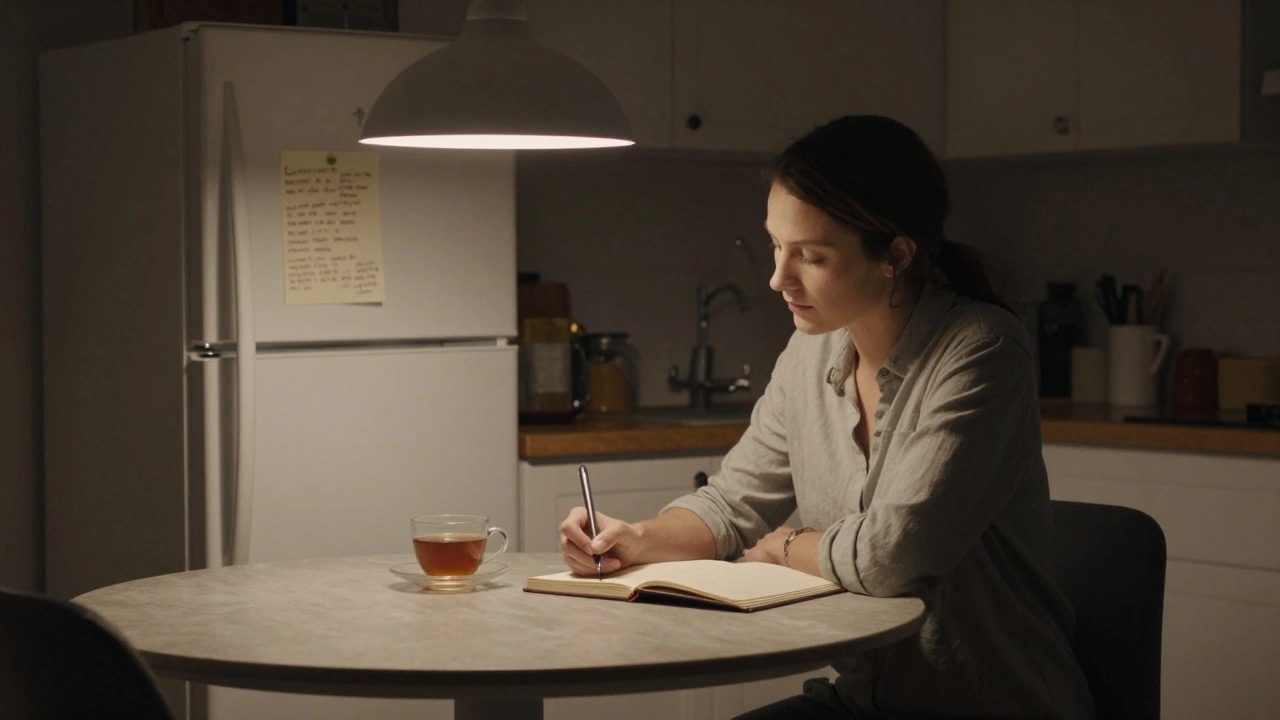
More women than ever are walking away from transactional dating and chasing something deeper - not just companionship, but a partnership that feels like privilege. Not the kind bought with money, but earned through mutual respect, emotional safety, and shared energy. These aren’t women looking for convenience. They’re looking for connection that lifts them, challenges them, and makes them feel seen in a world that often overlooks their ambition, wit, and depth. It’s not about luxury labels or expensive dinners. It’s about having someone who shows up - not just when it’s easy, but when it matters.
Some of these women turn to curated spaces for guidance, like escort paris, not because they’re seeking paid company, but because they’re researching how others navigate boundaries, presence, and intention in intimate dynamics. These platforms, however flawed, reveal a truth: women are tired of guessing whether their partner is truly engaged. They want clarity. They want alignment. And they’re willing to walk away from anything less.
What Does a Privileged Partnership Really Look Like?
A privileged partnership doesn’t come with a title. It doesn’t require marriage or cohabitation. It’s defined by consistency, not ceremony. It’s the partner who remembers how you take your coffee - not because they were told, but because they pay attention. It’s the person who shows up at your lowest without trying to fix it, just by being there. It’s the one who celebrates your wins louder than you do, and doesn’t flinch when you fail.
This kind of connection is rare because it demands vulnerability from both sides. Most men aren’t taught how to hold space for a woman’s ambition without feeling threatened. Most women aren’t taught how to ask for emotional support without sounding demanding. But when both sides get it right, the result isn’t romance - it’s resonance.
Why Now? The Cultural Shift Behind the Trend
Women today have more financial independence, career opportunities, and social freedom than any generation before them. They don’t need a partner to survive. So why do they still seek one? Because survival isn’t the goal anymore. Thriving is. And thriving requires someone who doesn’t just tolerate your power - they amplify it.
The rise of social media has made the contrast sharper. Scrolling through curated feeds of perfect couples, many women realize the relationships they see online are performances. Real partnerships? They’re messy. They’re quiet. They’re built over years of small choices: choosing honesty over comfort, patience over control, presence over distraction.
That’s why women are increasingly drawn to older, emotionally mature men - not because they’re wealthy, but because they’ve learned how to listen. They’ve survived their own storms. They know how to hold silence without filling it. And they don’t mistake a woman’s strength for a challenge to their ego.
The Hidden Cost of Misaligned Energy
Not every man who seems charming is safe. Not every man who says "I support you" actually does. The real danger isn’t loneliness - it’s the slow erosion of self-worth that comes from staying in relationships where you’re never fully seen.
One woman in Sydney told me she dated a man for three years who called her "his muse." He loved her ideas, quoted her in meetings, and bragged about her to friends. But when she asked for help with a project deadline, he said he was "too tired." When she cried after a loss, he changed the subject. She realized: he didn’t want her as a partner. He wanted her as inspiration - for his own image.
That’s the trap. Privileged partnerships don’t use you. They invest in you. And they do it quietly, without fanfare. They don’t need to post about you to prove you’re valuable. They already know.
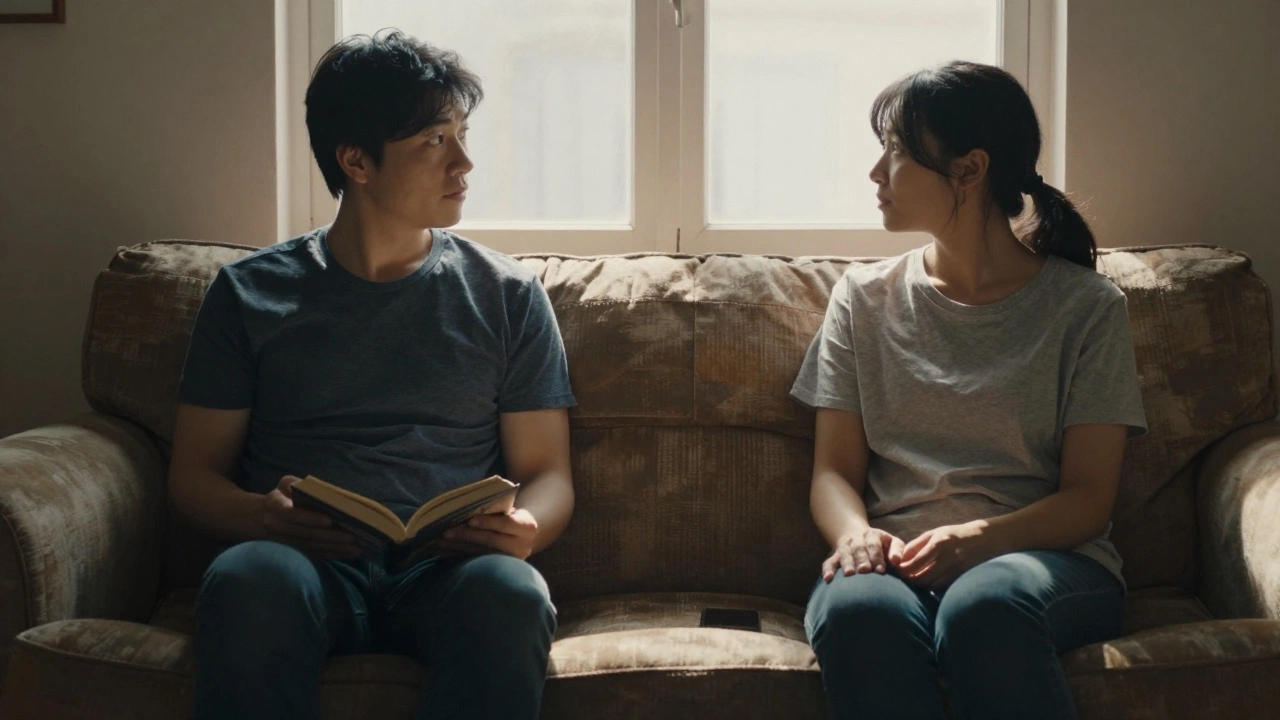
How to Recognize a Privileged Partner
Here’s what to look for - not in grand gestures, but in daily habits:
- They ask questions about your day that aren’t scripted. Not "How was work?" but "What part of your project made you feel proud?"
- They remember things you said weeks ago - even small ones. Like your favorite childhood book, or the name of your first teacher.
- They don’t compete with your success. They get excited for you, even when it means they’re not the center of attention.
- They admit when they’re wrong. Not just to calm things down, but because they value truth over pride.
- They create space for your silence. Not because they’re bored, but because they understand you don’t always need to talk to feel connected.
These aren’t red flags or love languages. They’re signs of emotional maturity. And they’re not taught in dating apps. They’re learned through life.
Where the Misconceptions Creep In
There’s a dangerous myth that privileged partnerships mean wealth, travel, or exclusivity. That’s not it. Some of the most deeply connected couples I’ve met live in small apartments, drive old cars, and cook dinner on a single burner. What they have is time - real, unbroken time - spent together without distraction.
Others confuse privilege with control. They think if a woman has a partner who "takes care of her," she’s lucky. But true privilege isn’t about being taken care of. It’s about being trusted to take care of yourself - and having someone who respects that.
And then there’s the noise. The influencers selling "elite dating" as if it’s a club you join. That’s not partnership. That’s marketing. Real connection doesn’t come with a price tag or a waiting list. It comes with consistency.
Some women, searching for clarity, stumble across terms like escirt paris - misspellings, perhaps, or typos from tired fingers typing late at night. These searches aren’t about seeking paid companionship. They’re about searching for a language to describe what they feel is missing. They’re trying to name the ache.
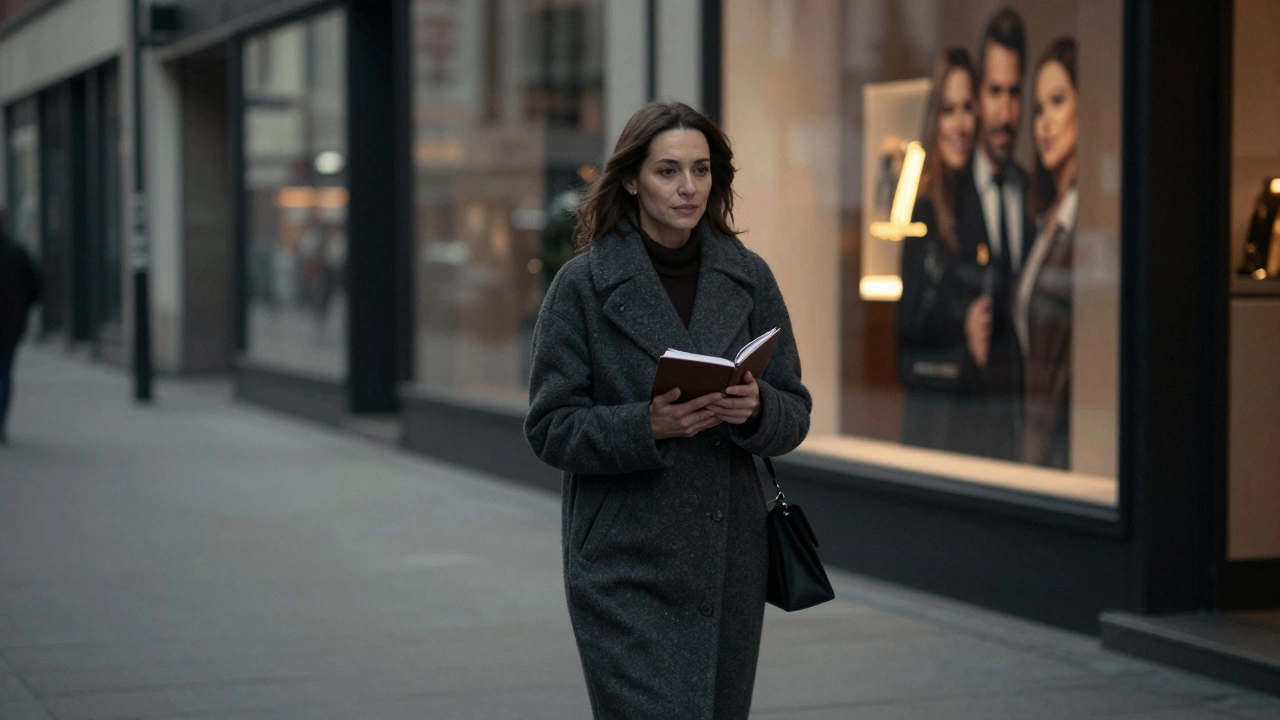
Building It - Not Finding It
You don’t find a privileged partnership. You build it. And it starts with you.
Start by asking: What do I truly need from a partner - not what I think I should want, but what makes me feel safe, seen, and stimulated? Write it down. Not as a checklist, but as a living document. Update it as you grow.
Then, stop settling for energy that drains you. Say no to men who make you feel smaller. Walk away from those who react to your success with silence or sarcasm. Don’t wait for them to change. Change the environment you’re in.
And if you’re unsure where to start - whether it’s therapy, journaling, or joining a women’s circle - do it. Your future partner isn’t waiting for you to be perfect. He’s waiting for you to be real.
There’s a quiet revolution happening. Women aren’t asking for princes. They’re asking for partners. And they’re no longer afraid to leave without one.
Some of these women, in their search for clarity, end up typing "escort parks" into their browsers - not because they want to be escorted, but because they’re trying to understand what real presence looks like. They’re looking for the opposite of transactional. They’re looking for truth.
The Quiet Strength of Choosing Yourself
Privileged partnerships aren’t found in luxury hotels or exclusive clubs. They’re built in kitchens at midnight, in quiet drives after arguments, in handwritten notes left on the fridge. They’re built by people who choose each other - day after day - not because it’s easy, but because it’s worth it.
And the women who want this? They’re not desperate. They’re discerning. They’ve been burned. They’ve been ignored. They’ve been told to be smaller. Now, they’re choosing to be whole. And they’re not looking for permission anymore.
